Real Estate Agents: Use Voice to Write Property Descriptions Faster
How real estate agents use voice dictation to write compelling property descriptions, showing notes, and client follow-ups — from the property itself, not the office.
SERP Transcribe Team
Product
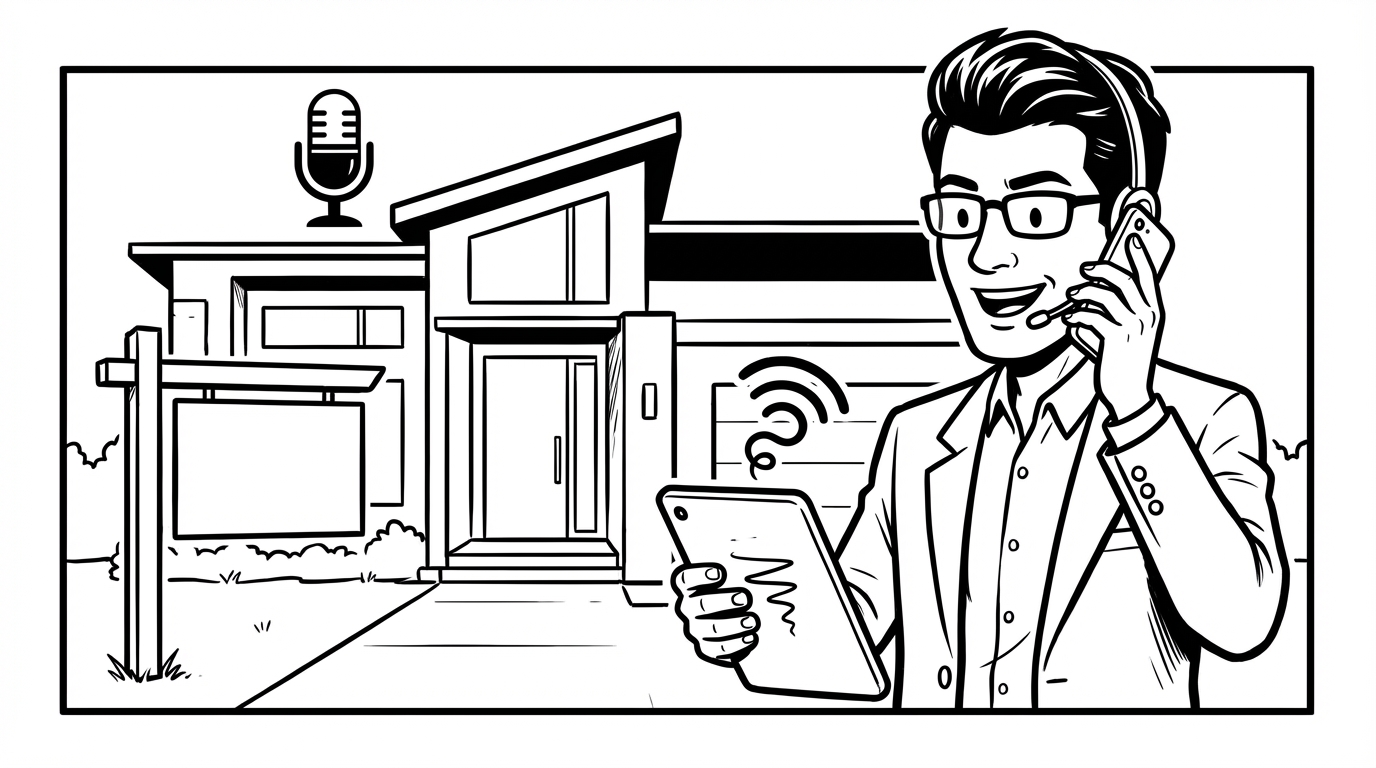
Real estate agents spend a surprising portion of their working time writing. Property descriptions, showing notes, client follow-up emails, offer summaries, transaction updates — it adds up to hours every week that isn't face time with clients or closing deals.
Voice dictation compresses a significant portion of that writing time, and for property descriptions specifically, speaking from the property itself produces better results than typing from memory back at the office.
Property Descriptions by Voice
The best property descriptions are written by someone who just walked through the property and still has the sensory experience fresh — the way the light hits the main bedroom in the afternoon, the unexpected size of the backyard, the quality of the finishes in the kitchen.
Most agents write their property descriptions hours or days after the walkthrough. The vivid details that would make the listing compelling have faded into generic phrases: "spacious living area," "updated kitchen," "lovely backyard."
The fix is simple: dictate the description during or immediately after the walkthrough, while the property is still in front of you or fresh in your mind.
On-site workflow:
- Walk the property with your phone
- After each room or feature, hold the mic and speak what stands out: "The kitchen has been fully renovated — white quartz countertops, a farmhouse sink, and enough cabinet space that nothing feels cramped. The island seats four comfortably and the pendant lighting is genuinely nice, not builder-grade."
- At the end of the walkthrough, dictate a summary impression: "Overall this place punches above its price point — the outdoor space is the real surprise, mature trees and a patio that's already set up for entertaining."
- Back at the office, clean up and format the listing description from your notes
What you speak on-site is raw material. The editing pass at the office shapes it into the final listing copy. But the vivid details — the ones that make buyers call to schedule a showing — came from being present.
The Listing Description Structure
A strong listing description covers: the standout features that justify the asking price, the lifestyle the property enables, the neighborhood context, and any recent updates or improvements. Dictating through each of these while the property is fresh takes about 3–4 minutes.
Dictate standout features: "Three things buyers will notice immediately: the ceiling height (genuine 10-foot ceilings throughout the main level), the original hardwood floors in near-perfect condition, and the primary suite which is genuinely oversized — there's a sitting area in addition to the bedroom."
Dictate the lifestyle angle: "This is a house for someone who entertains. The kitchen-to-dining-to-back-deck flow is seamless, and the deck is large enough for a real table and a seating area at the same time."
Dictate updates and condition: "Roof was replaced in 2022, HVAC 2020, water heater 2023. Electricals were updated when they did the kitchen renovation. Turnkey for a buyer who doesn't want projects."
Dictate neighborhood context: "Two blocks to the main street with the restaurants and coffee shops. Elementary school is walking distance. Quiet street with mature trees — you don't hear the main road."
That's a complete set of raw material for a compelling listing description, captured in four minutes at the property. The typed version that most agents write from memory at the office is rarely this specific.
Showing Notes and Buyer Follow-Ups
After showing a property to a buyer, the follow-up email matters — it demonstrates your attentiveness and helps the buyer process what they saw. Dictating it right after the showing, while their reactions are fresh, produces much better follow-ups than writing it hours later.
Spoken post-showing follow-up:
"Hi James and Carol — thanks for coming out today. Based on your reactions I want to flag a few things. You seemed genuinely interested in the kitchen and the backyard, which are both strong points for that property. The bedroom size concern you raised is valid — the second bedroom is on the small side. Worth knowing that the owners are motivated and there may be room on price if you want to make an offer before the open house this weekend. I'll send you the disclosure packet tonight. Let me know if you want to go back for a second look."
That follow-up took 30 seconds to speak. It's personal, specific, and moves the deal forward. A typed version from the same agent three hours later would likely be more generic.
Transaction Update Emails
Agents send dozens of transaction update emails per deal — offer submitted, inspection scheduled, appraisal ordered, clear to close, closing scheduled. These follow predictable patterns and are perfect for dictation.
Keep a mental template for each transaction milestone and dictate the update immediately when the milestone is reached. "The inspection is confirmed for Thursday at 10am. Inspector will be there two to three hours. You don't need to be present but you're welcome to attend for the last 30 minutes to walk through the findings with the inspector. I'll have the report by Friday afternoon."
Twenty seconds spoken. Three minutes typed. Across a dozen active transactions, that difference is hours per week.
Client Intake and CMA Notes
Before a listing appointment, many agents prepare a comparative market analysis and notes on the seller's situation. Dictating these notes during your research phase — rather than writing them out — keeps you in flow.
After a listing appointment, dictate your takeaways immediately: "Sellers are motivated — they're relocating for a job that starts in August, so they have a real deadline. They're emotionally attached to the price and will need some coaching. House is in great condition except for the master bath which needs cosmetic updates. They're open to doing light staging."
This intake note becomes your reference for every client interaction going forward.
The Compound Effect for High-Volume Agents
Top-producing agents juggle more listings, more buyers, and more transactions simultaneously. The writing load scales with volume. An agent with 20 active listings who can write each listing description in 5 minutes instead of 20 minutes saves 5 hours per listing cycle. Per year, at a typical production pace, that's dozens of hours recaptured.
Those hours go back into client-facing work — which is what actually drives production. Voice dictation doesn't change what you know or how you sell. It removes the friction between knowing what to say and getting it written.