Social Workers: Write Case Notes and Reports Faster by Voice
Case documentation is essential but exhausting. Voice dictation helps social workers capture timely, accurate notes without the after-hours typing marathon.
SERP Transcribe Team
Product
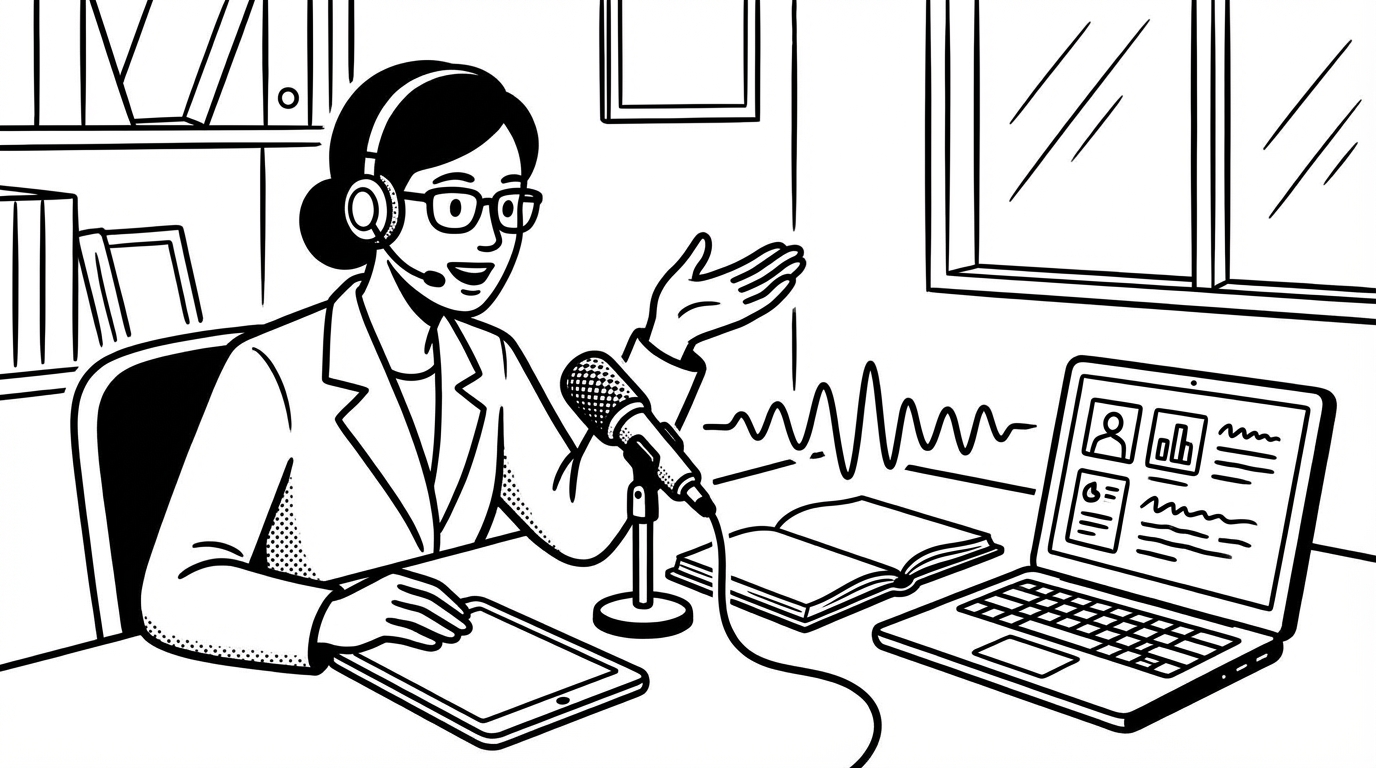
Social workers document everything. Home visits, phone calls, case conferences, court updates, safety assessments, service referrals — every interaction requires a written record. The documentation burden in social work is significant, it's non-negotiable, and it routinely extends the working day well beyond the hours spent actually serving clients.
Voice dictation doesn't change the documentation requirements. It changes how long meeting them takes.
The Documentation Reality in Social Work
A social worker might have 20–30 active cases. Each case generates multiple notes per week: visit summaries, phone contact logs, collateral contacts, plan updates, court documentation. Multiplied across a full caseload, the weekly writing volume is substantial — often several thousand words of case documentation on top of everything else in the role.
Most social workers document in one of two problematic ways: in real time during interactions (which divides their attention from the person in front of them) or at the end of the day from memory (which is slower, less accurate, and produces notes that are thinner on specific detail).
Voice capture immediately after each interaction solves both problems.
Capturing Home Visit Notes
After a home visit, while sitting in the car before driving to the next location, hold the hotkey and speak the visit summary:
"Home visit to the Reyes family, Tuesday 10:30am. Present: Maria and the three children. The home was clean and organized. Children appeared healthy and well-groomed. Maria reported she completed the parenting class last week and has the certificate — she'll scan and send it. She's concerned about Diego's behavior at school, says the teacher called twice this week. I'll follow up with the school. Safety assessment: no concerns identified. Next visit scheduled for two weeks. Action items: follow up with school, confirm receipt of the parenting class certificate."
Speak it, paste into your case management system when you're back at your desk, review and correct any transcription errors. Total documentation time: 2 minutes, compared to 10–15 minutes from end-of-day memory reconstruction.
Phone Contact Logs
Phone calls with clients, collateral contacts, service providers, and other professionals all require documentation. Voice capture immediately after each call while the details are fresh:
"Phone contact with Maria Reyes, 2:15pm, 8 minutes. She called to say Diego had another incident at school today. I advised her to request a meeting with the teacher and the principal this week and to document the incidents in writing. I'll also contact the school separately. Encouraged her to reach out if anything escalates before our visit."
That's a complete, accurate phone contact log. Dictated in 20 seconds. Without voice, this is a note written at 5pm from a hazy recollection of the call.
Court Documentation and Reports
Court reports and formal assessments require more care and typically a proper editing pass, but voice dictation is still valuable for first drafts. Speaking through your assessment of a case — the facts, the context, your professional observations, your recommendations — produces a more natural and comprehensive first draft than typing from a blank page.
Speak the first draft, paste it, shape it into the required format, review carefully. The drafting phase that might take 90 minutes of typing takes 20–30 minutes of speaking and pasting.
After-Hours Documentation
One of the most common realities in social work is documentation that bleeds into evenings and weekends. Cases don't wait for convenient documentation times, and a heavy caseload combined with slow documentation processes means the notes often don't get written until after hours.
Voice dictation doesn't eliminate this entirely, but it compresses it. Notes that would take an hour of end-of-day typing take 20 minutes of end-of-day dictation. That's the hour back.
A Note on Client Privacy
Social work case notes contain highly sensitive information about vulnerable individuals and families. When dictating case notes:
- Dictate in private — in your car, in a private office, not in shared spaces where you might be overheard
- Paste content directly into your case management system rather than storing it in general notes apps
- Follow your organization's policies on mobile device use and documentation
- Review all dictated content before finalizing — voice notes are drafts, not final records
The push-to-talk model in SERP Transcribe means audio is only captured during active dictation, not ambient recording.
The Burnout Connection
Documentation burden is consistently cited as a major contributor to social work burnout. When the paperwork extends the working day by 1–2 hours, five days a week, the cumulative cost to wellbeing is real.
Voice dictation won't fix caseload sizes or systemic resource problems. But it does give individual workers a tool to reduce the personal time cost of documentation — which, at the margin, matters for sustainability in a profession with high turnover and burnout rates.
Better documentation, done faster, at or near the point of contact. That's the straightforward case.