Therapists and Counselors: Write Session Notes Faster Without Losing Focus
Session notes are essential but time-consuming. Voice dictation lets therapists capture accurate notes immediately after a session while details are fresh — without extending the working day.
SERP Transcribe Team
Product
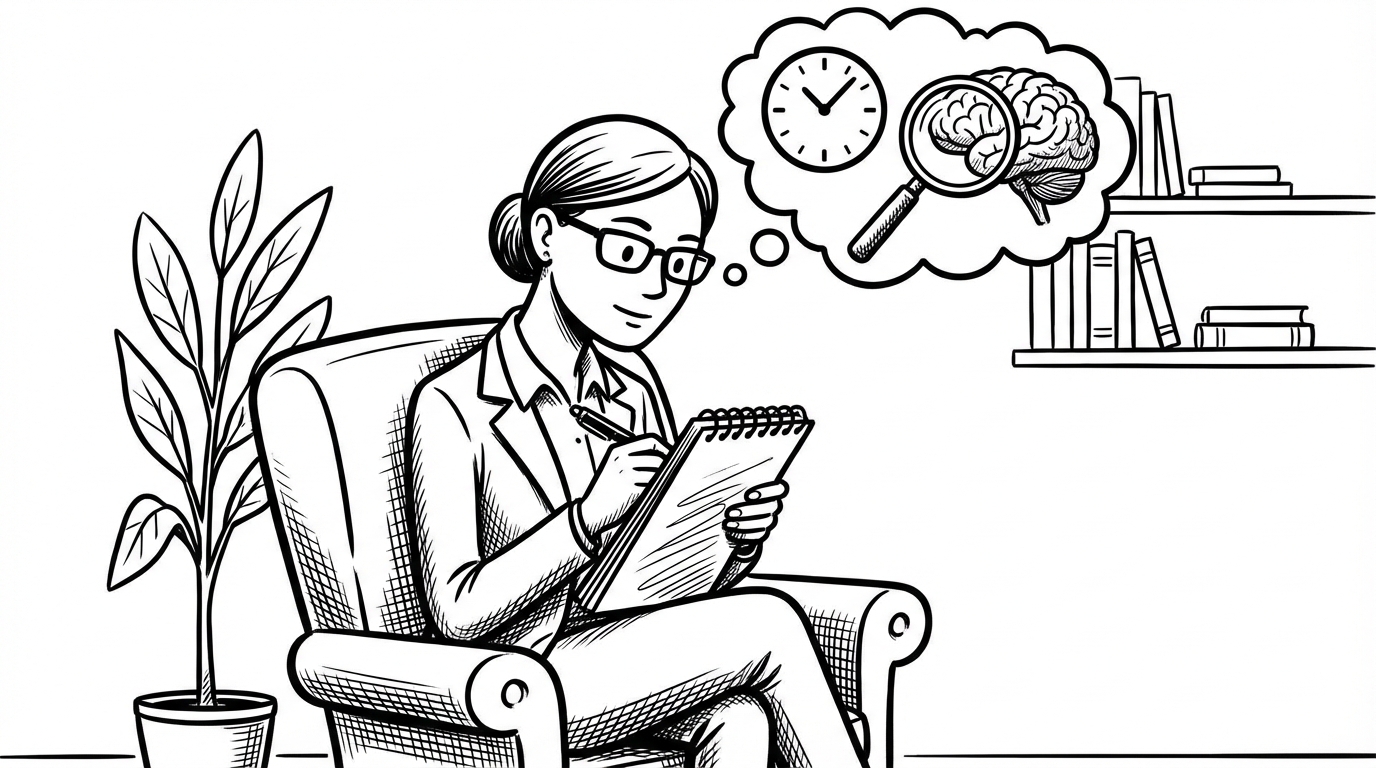
Clinical documentation is one of the most significant sources of burnout in mental health practice. Therapists and counselors spend a substantial portion of their working week writing session notes — documentation that is essential for continuity of care, insurance billing, and professional accountability, but that often gets written at the end of a long day of emotionally demanding work.
Voice dictation doesn't eliminate the documentation requirement. But it can cut the time required by more than half and, crucially, makes it practical to capture notes immediately after a session when clinical detail is freshest.
The Documentation Problem in Mental Health Practice
Session notes in therapy have specific requirements: they need to capture presenting concerns, interventions used, the client's response, risk factors assessed, and plans for future sessions. Done properly, they take 10–20 minutes per session to write.
For a therapist seeing 6–8 clients per day, that's 60–160 minutes of documentation — on top of the sessions themselves. It typically gets pushed to the end of the day, when cognitive resources are depleted and the specific details of earlier sessions have already begun to blur.
The result is notes that are less accurate, more generic, and take longer to write than they would have immediately post-session. The documentation burden contributes directly to practitioner burnout.
The Case for Immediate Post-Session Dictation
The strongest argument for voice dictation in clinical practice is timing. Dictating notes immediately after a session — while you have a few minutes before the next client — captures detail that gets lost if you wait until the end of the day:
- The specific language a client used
- The precise intervention applied and the visible response
- A concerning disclosure and exactly how it was handled
- A shift in affect that you want documented
This level of clinical specificity matters for continuity, for insurance, and for defensibility. It's difficult to recreate two hours later. It's easy to capture in 90 seconds immediately after.
The Workflow
Between sessions, hold your hotkey and speak the note structure:
"Session with [client identifier], [date]. Presenting: Client reported ongoing difficulty with the anxiety around the family visit, described three panic episodes since last week, two at night. Intervention: Used CBT thought record to examine the catastrophic thinking pattern around family judgment. Client was able to identify the cognitive distortion and generate two alternative interpretations. Response: Initially resistant to the reframe, but engaged by end of the exercise, rated anxiety as a 5 down from 8. Risk: No SI/HI disclosed, client denied active self-harm. Plan: Continue thought records next session, client agreed to complete one written record before next appointment."
That note — accurate, structured, clinically complete — was dictated in 60–90 seconds. It would take 8–12 minutes to type from scratch at the end of the day, and it would be less accurate because the details would have faded.
Privacy Considerations
Clinical notes are sensitive documents subject to HIPAA requirements. Important points to consider:
- SERP Transcribe's push-to-talk model means audio is only captured while you're actively holding the hotkey — no ambient recording
- Dictate notes in a private space, not a shared area where clients or others might overhear
- Check your practice's specific documentation policies regarding audio capture and cloud processing of clinical content
- Some practices may require locally-processed dictation for any clinical material — if so, investigate local-processing tools that meet that requirement
Voice dictation can fit within HIPAA-compliant practice for many therapists, but the specific compliance requirements depend on your setting and the tool's data handling. Review before implementing.
The Quality Benefit
Beyond speed, there's a quality argument for immediate dictation. Notes written from fresh memory are more accurate and more specific. More specific notes mean better continuity between sessions, better documentation for insurance review, and a more defensible clinical record.
The generic session note — "Client discussed family stress. CBT techniques applied. Client responded well. Continue plan." — is what gets written when documentation happens at the end of the day from memory. It's not clinically useful. It's not well-documented practice. It's what exhausted practitioners produce when the alternative is no documentation at all.
Voice dictation makes better documentation practical rather than aspirational.
Protecting Your Own Capacity
Therapist burnout is real and well-documented. Administrative burden is one of its primary drivers. Any workflow change that reduces documentation time without sacrificing quality is a direct protection of clinical capacity.
Fifteen minutes of documentation saved per day is more than an hour per week — time that can go to clients, supervision, continuing education, or simply not working until 7pm. Over a career, that adds up to something worth protecting.
Your clients need you at your best. Administrative efficiency is part of how you get there.