How OpenAI's Whisper Changed Voice Dictation Forever
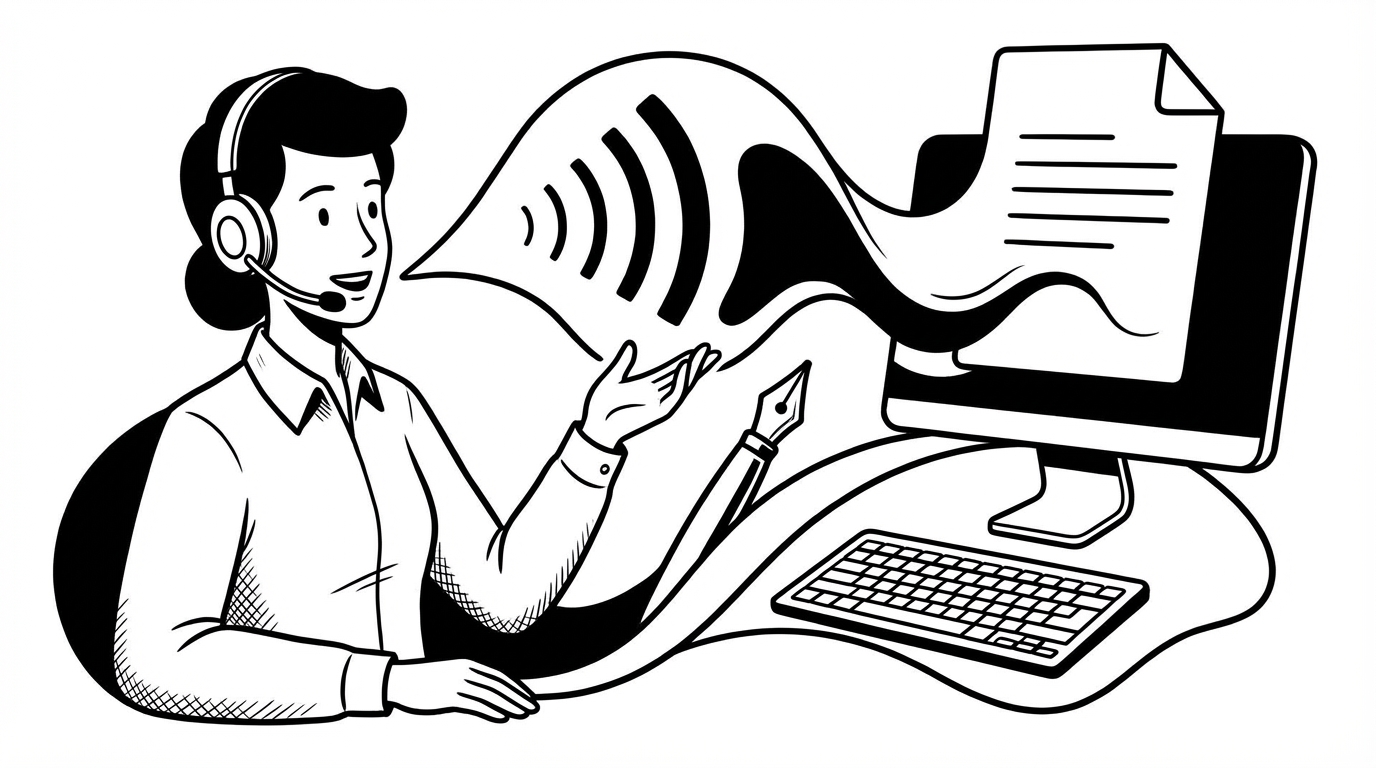
In 2022, OpenAI released a speech recognition model that made modern dictation tools possible. Here's what changed and why it matters for anyone using voice-to-text today.
Explore practical tutorials, troubleshooting guides, and real workflows to get better voice-to-text output faster.

In 2022, OpenAI released a speech recognition model that made modern dictation tools possible. Here's what changed and why it matters for anyone using voice-to-text today.

Job searching involves a huge amount of writing. Voice dictation makes cover letters, outreach messages, and interview prep faster so you can apply to more and stress less.

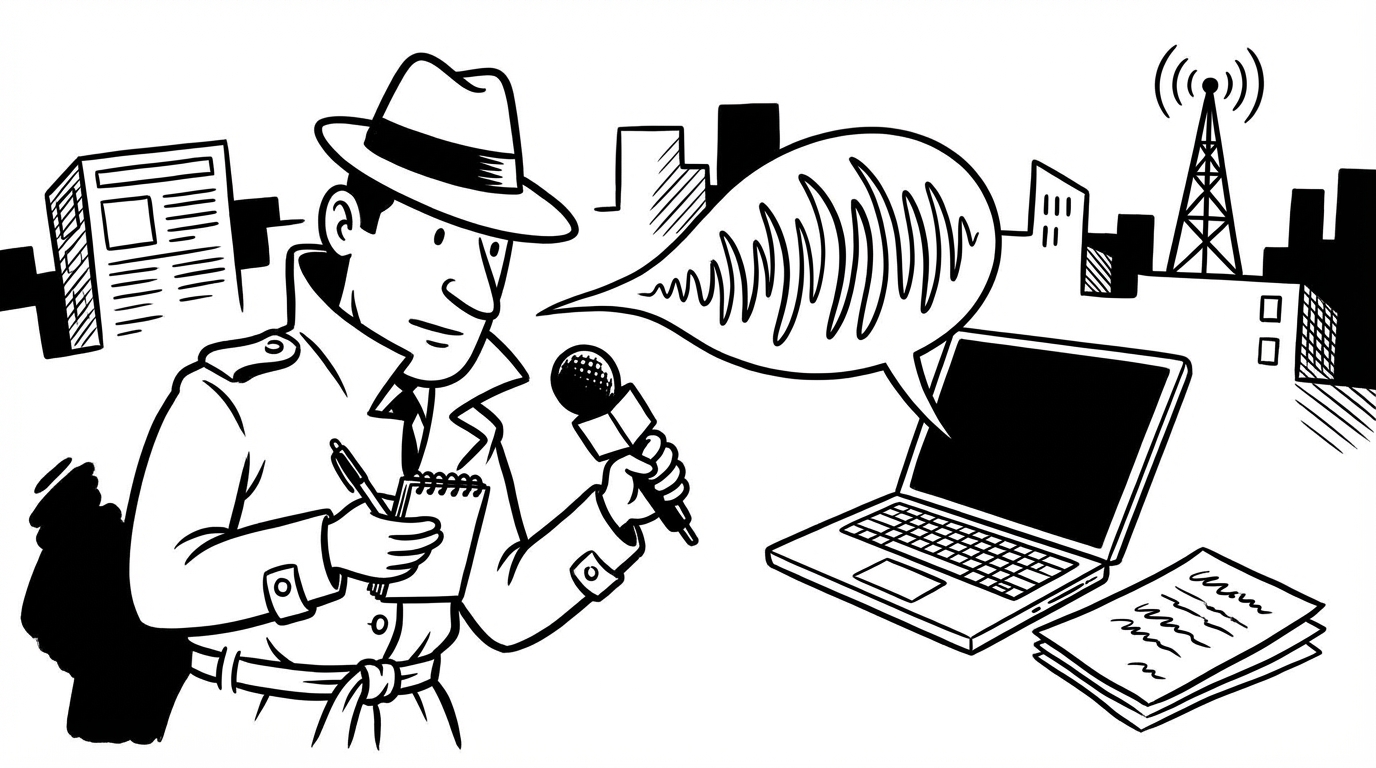
Reporters produce high volumes of writing under deadline pressure. Voice dictation changes the economics of note-taking, quote capture, and first-draft production.

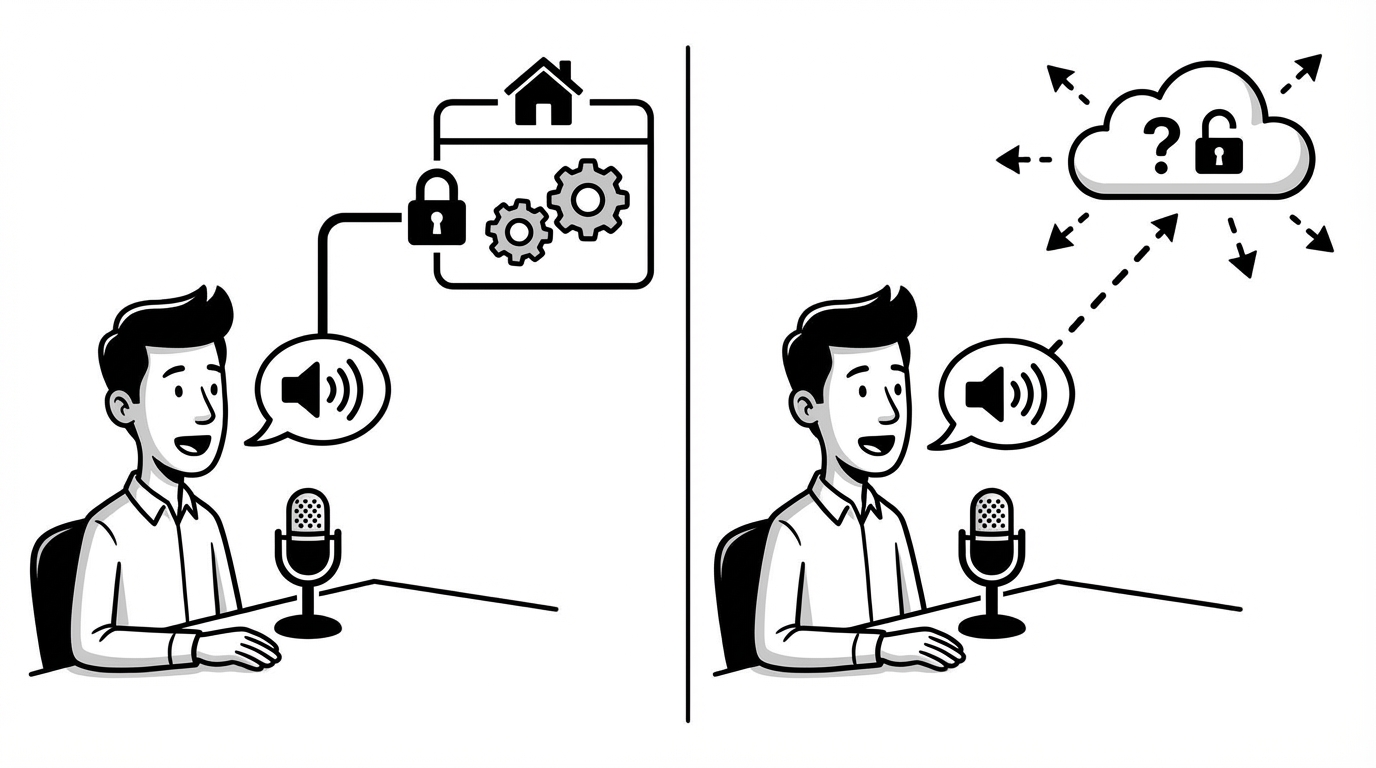
Voice dictation tools handle your audio in two fundamentally different ways. Here's what that means for privacy, speed, and accuracy — and how to choose.

Performance reviews and 1-on-1 documentation are important, time-consuming, and easy to shortchange. Voice dictation makes them faster to write and better to read.

How to get accurate results when dictating in multiple languages, switching between them, and handling mixed-language content with SERP Transcribe.

How to use voice dictation to write your email newsletter faster without losing the personal, direct tone that makes newsletters worth reading.

For people who think in one language and need to write in another, voice dictation bridges the gap — producing more natural English text with less effort than composing in writing.

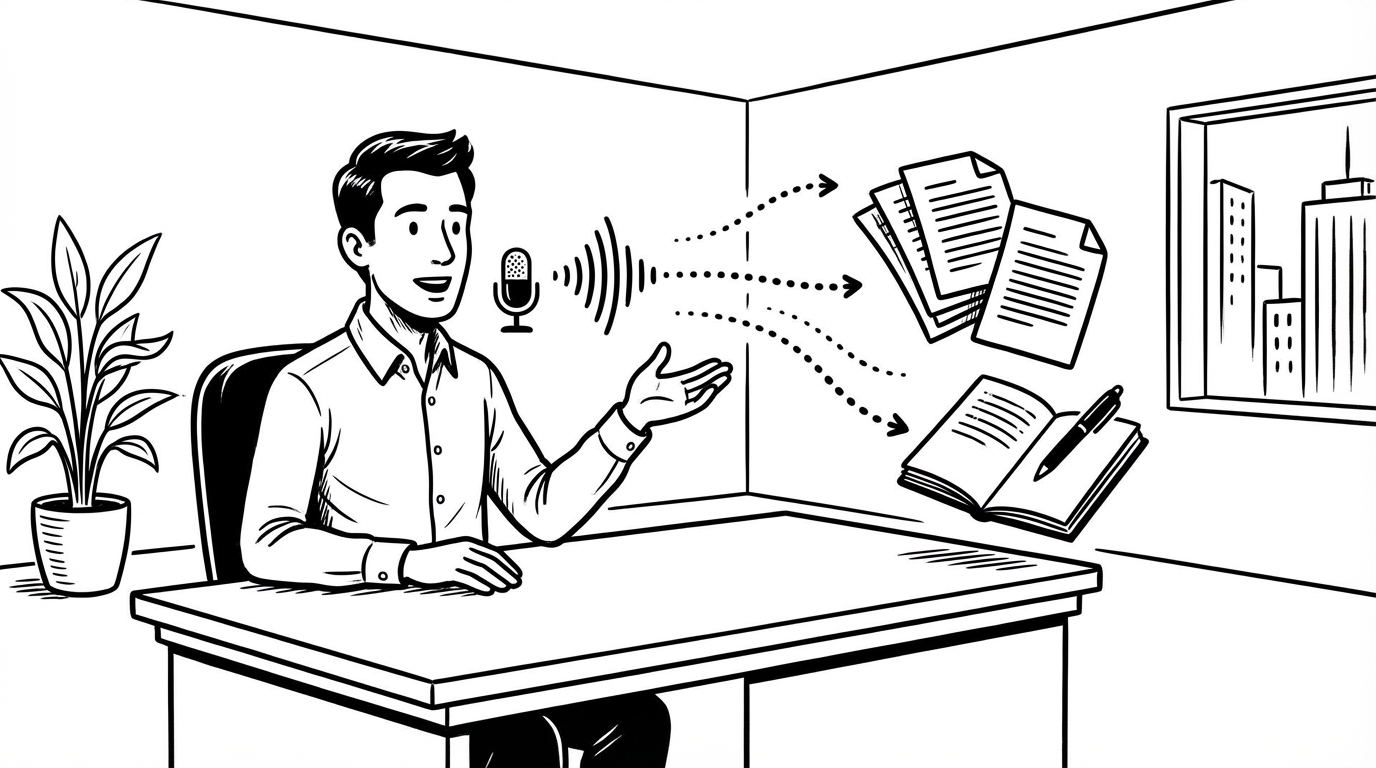
Dissertation writing involves sustained, high-volume prose production under time pressure. Voice dictation changes the pace of chapters, literature reviews, and the daily writing habit.